Lake Chad Livelihoods
FAO
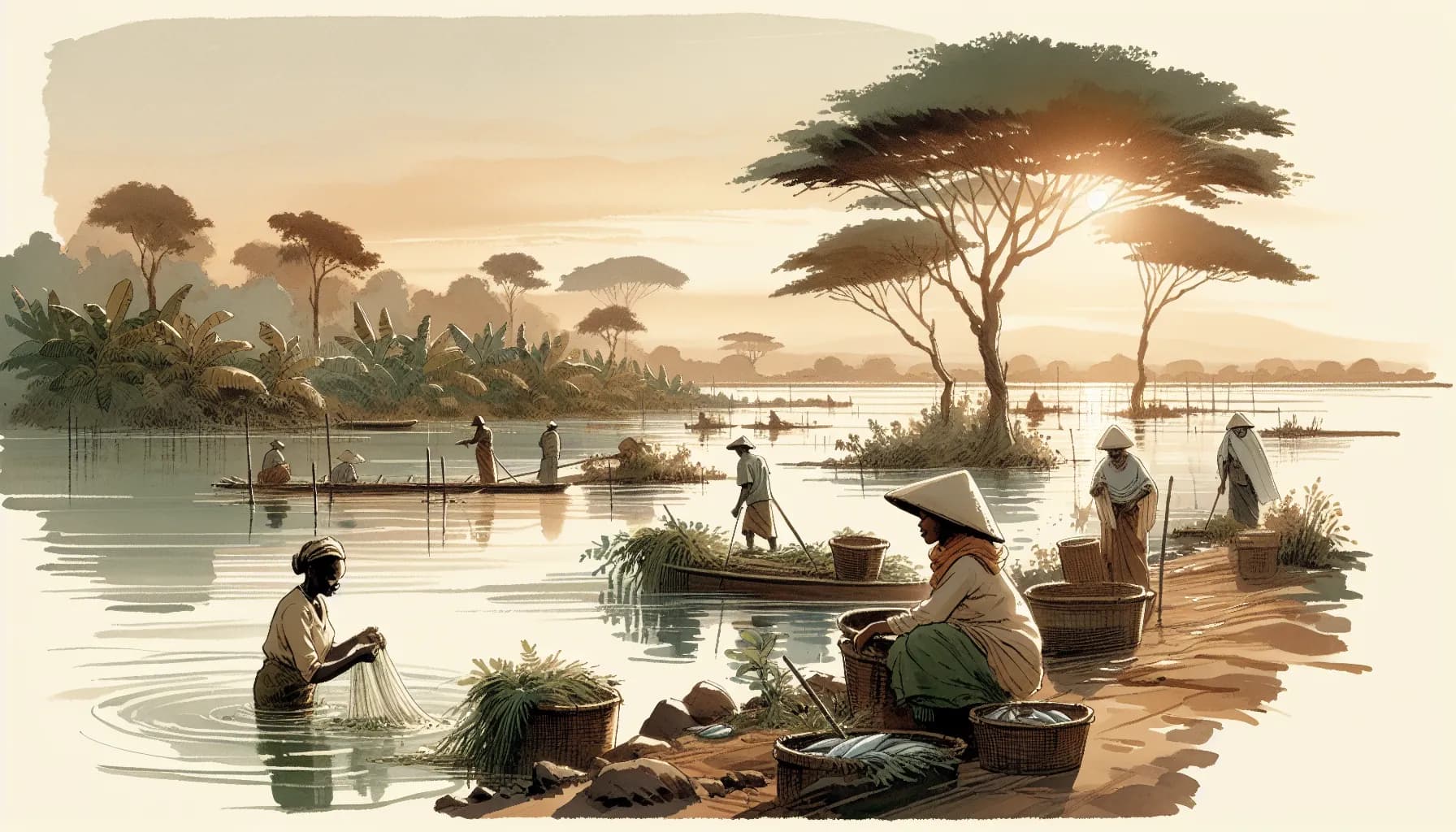
Lake Chad shrank 90% in sixty years. Fishing was banned for security. Borno's fisherfolk lost their trade and their identity. FAO's aquaculture initiative gave it back: catfish in fiberglass tanks, vegetable gardens from wastewater. A woman who once fished the lake now teaches the economics of aquaculture — breaking the cycle of dependence, one harvest at a time.
Impact Metrics
Target Households
Youth Trained
Fish Production
Sustainable Development Goals
No Poverty
Zero Hunger
Gender Equality
Life Below Water
About This Project
Verification Standard
Endorsed and monitored by national or international government agencies.
Standard: UNDP/FAO + EU Trust Fund
Impact at a glance
Switch units to view the project's funding target, annual sequestration, and restored area.
Raising: this project does not yet publish this metric. Verifier reports refresh quarterly.
Recent supporters
Be the first to vote.
Discussion
Loading comments…
How Funding Works
Funding Route: Partnership Agreement
This project operates through a formalized partnership with government or multilateral organisations, ensuring sustainable impact.
Vote for This Project
Direct your impact votes to support this project's expansion and amplify its environmental and social benefits.
Vote Now →Related Projects in Nigeria
View all in Nigeria →
Eco-Pioneers
Lagos generates 10,000 tonnes of plastic waste daily. Youth are turning mountains of trash into roof tiles, into footwear, into enterprise.
Great Green Wall
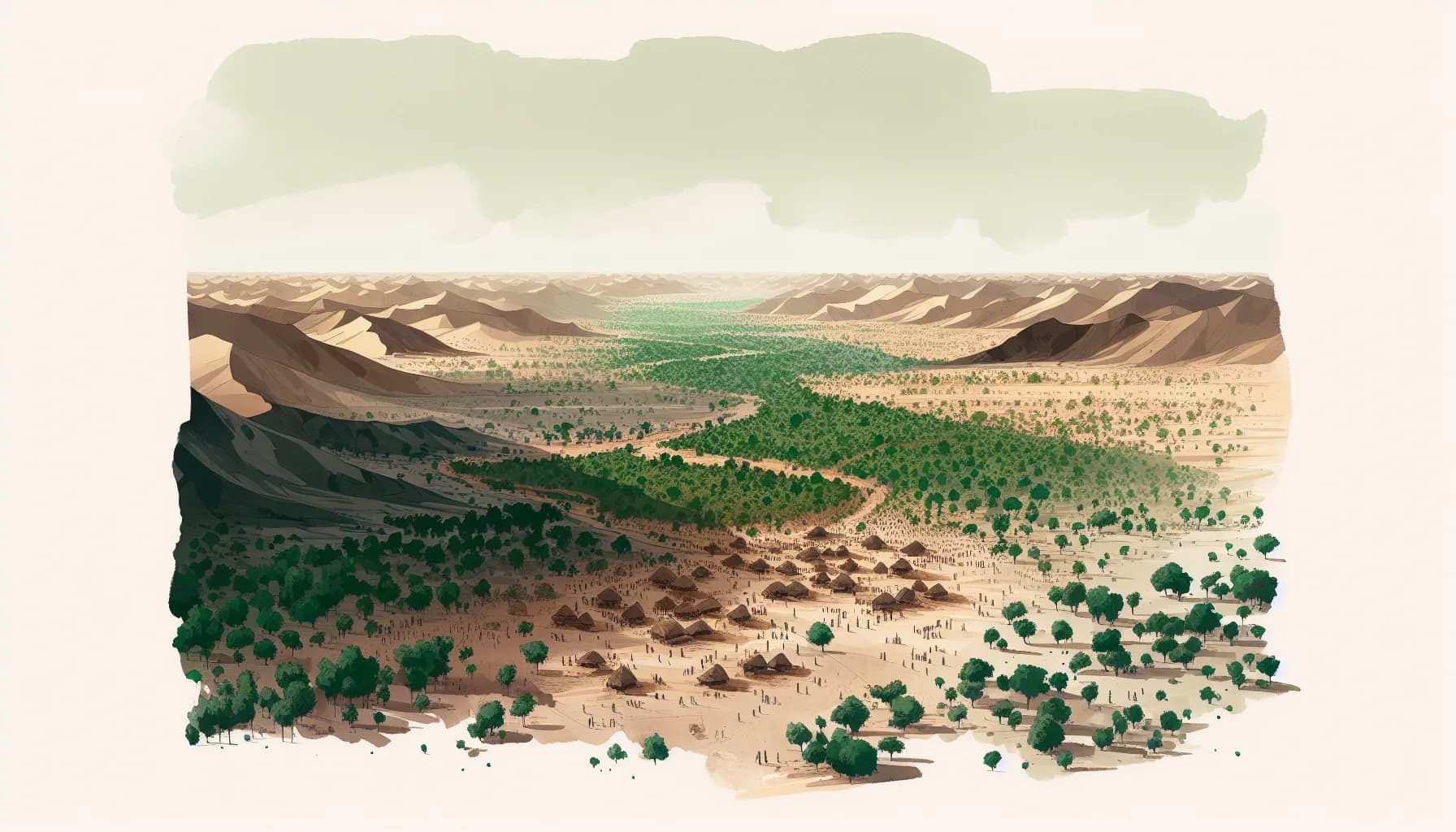
The Sahara crept south for decades. The Great Green Wall is Africa's answer: a 1,359-km shelterbelt planted by communities reclaiming their soil.
Mangrove Belt Revival
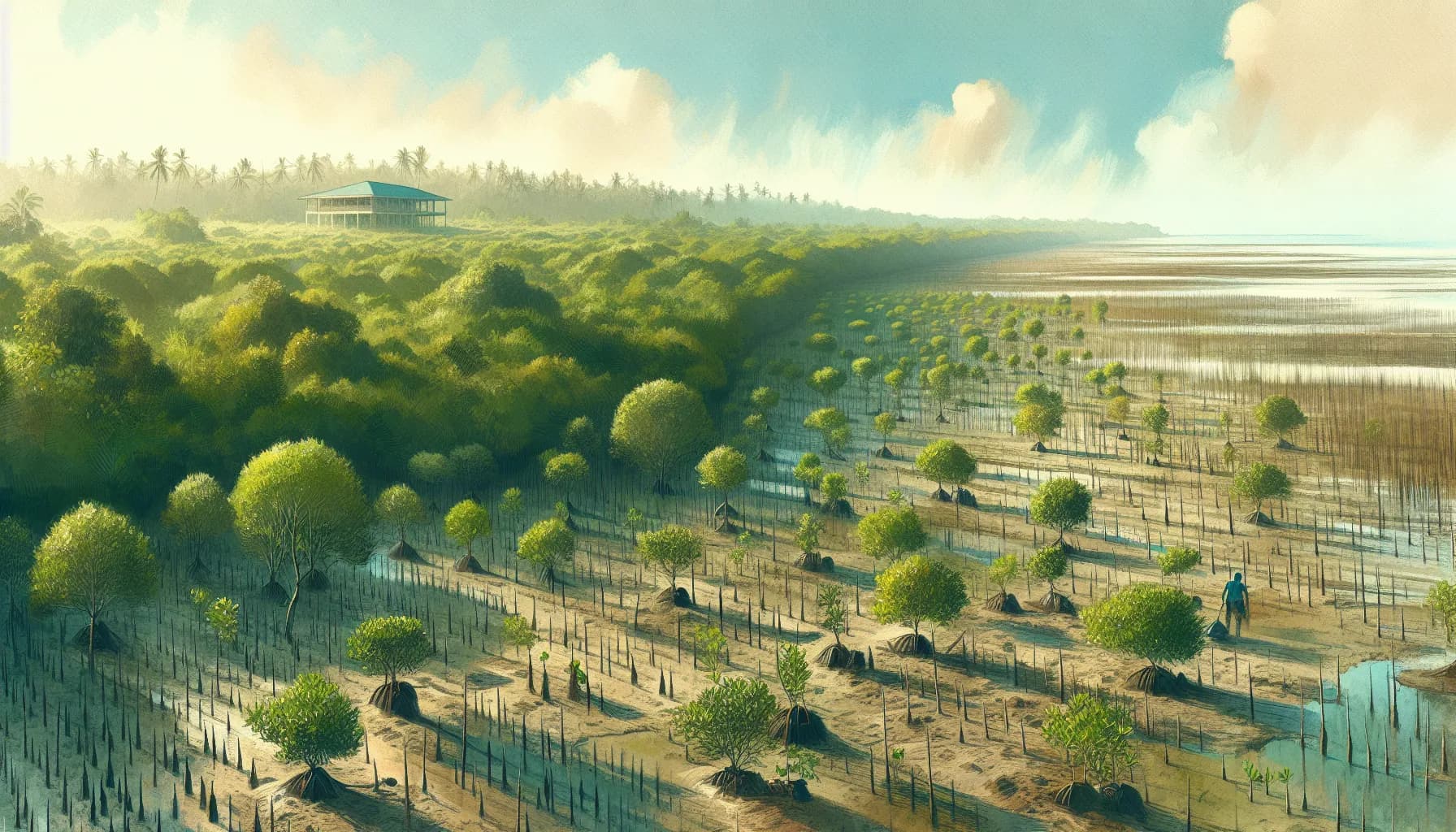
The Niger Delta's mangroves were sacrificed to oil. Now First Climate is replanting at industrial scale — a million seedlings a year, community by community.
Your vote is the trigger. Advertisers cover the cost.