Moorschutz
ZukunftMoor GmbH / myclimate
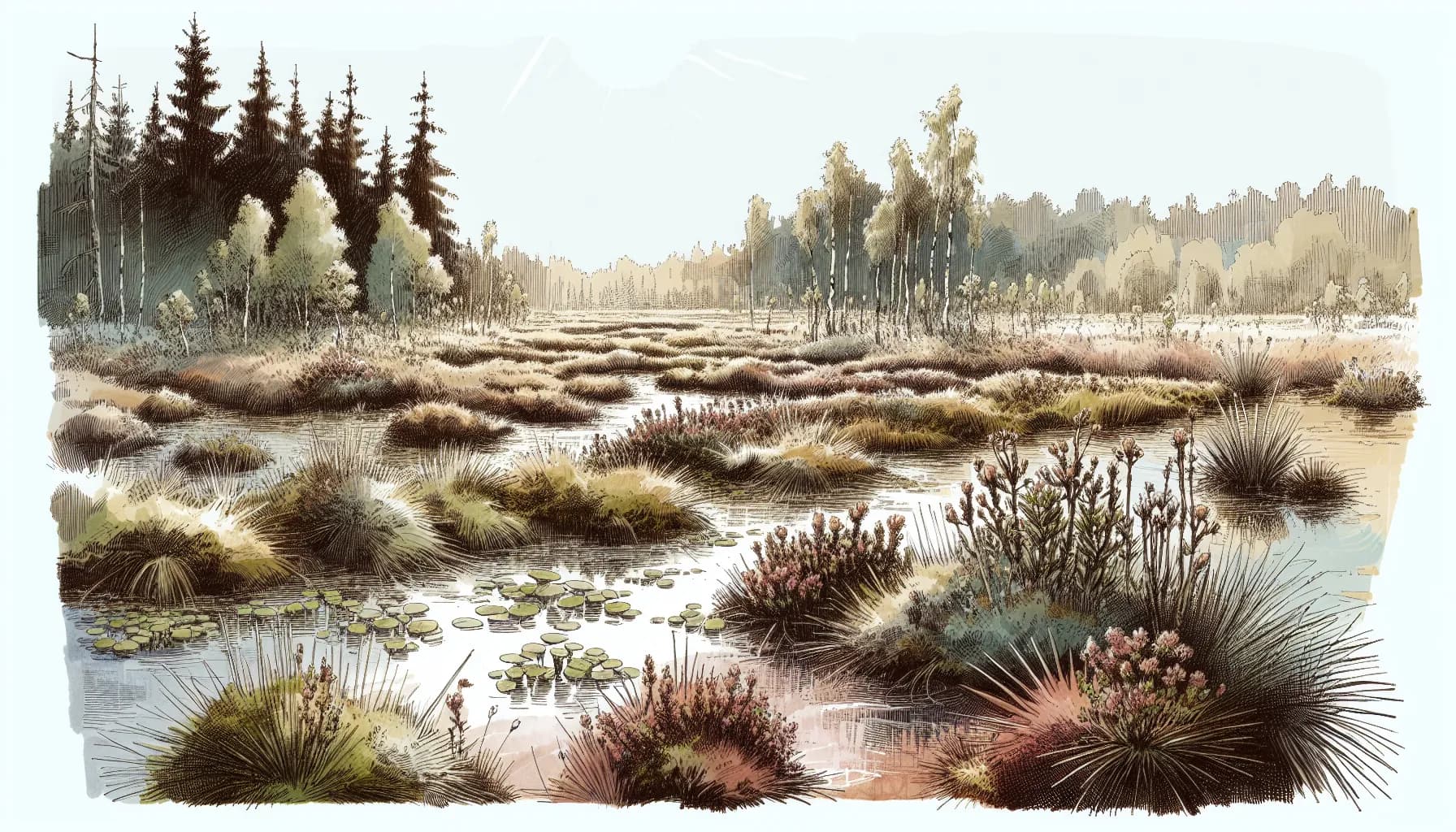
Germany's peatlands are the country's largest single source of land-use emissions — 53 million tonnes a year, silently bleeding from drained bogs. At Gnarrenburg, rewetting is turning degradation into carbon storage. Paludiculture — wet farming on restored bogs — shows farmers a path beyond drainage. Each hectare rewetted is a climate victory hiding in plain sight.
Impact Metrics
Peatland Restored
CO₂ Storage (35yr)
Credit Price
Sustainable Development Goals
Clean Water
Climate Action
Life on Land
About This Project
Verification Standard
German peatland restoration certification with transparent carbon accounting.
Standard: MoorFutures Certified + Verra Pathway
Impact at a glance
Switch units to view the project's funding target, annual sequestration, and restored area.
Raising: this project does not yet publish this metric. Verifier reports refresh quarterly.
Recent supporters
Be the first to vote.
Discussion
Loading comments…
How Funding Works
Funding Route: Carbon Credits Marketplace
This project sells verified carbon credits on the voluntary carbon market. Your contribution funds the purchase of credits that support the project's expansion.
Vote for This Project
Direct your impact votes to support this project's expansion and amplify its environmental and social benefits.
Vote Now →Related Projects in Germany
View all in Germany →
Alpine Watershed Protection
Alpine glaciers are melting. GEOMAR scientists map the journey from mountaintop to seagrass meadow, tracking microplastics across Europe's watersheds.

Baltic Fish & Habitat Recovery
Pristine Alpine glaciers hide a secret: 20 tonnes of microplastics embedded in ancient ice, now washing into rivers that supply millions.

Klimahelden
Felix Finkbeiner was nine when he challenged the UN to plant a trillion trees. Today 12,000 youth climate ambassadors have planted 800,000 trees.
Your vote keeps the carbon in the peat where it belongs.