Baltic Fish & Habitat Recovery
BOKU Vienna / Austrian Academy of Sciences
Pristine Alpine glaciers are hiding a secret: 20 tonnes of microplastics embedded in ancient ice, now washing into the rivers that supply drinking water to millions. Austrian scientists are mapping where it goes, how fast, and what it does. The mountains aren't as clean as they look — and this research is the first step to fixing it.

Impact Metrics
Microplastics Detected
Scope
Policy Impact
Sustainable Development Goals
Clean Water
Life Below Water
Life on Land
About This Project
Organisation: BOKU Vienna / Austrian Academy of Sciences
Location: Alpine to Lowland, Germany
Visit Project Website →Verification Standard
Endorsed and monitored by national or international government agencies.
Standard: Academic + Government Monitored
Mmetụta n'otu anya
Gbanwee nkeji iji hụ ebumnuche ego ọrụ a, njikọ kwa afọ, na mpaghara eweghachiri.
Na-anakọta: ọrụ a anaghị ebipụta nkeji nlere a ugbu a. Akụkọ ndị nyocha na-emegharị kwa ọnwa atọ.
Ndị nkwado na-adịbeghị anya
Bụrụ onye mbụ ga-eme votu.
Mkparịta Ụka
Na-ebubata nkwupụta…
How Funding Works
Funding Route: Partnership Agreement
This project operates through a formalized partnership with government or multilateral organisations, ensuring sustainable impact.
Vote for This Project
Direct your impact votes to support this project's expansion and amplify its environmental and social benefits.
Vote Now →Related Projects in Germany
View all in Germany →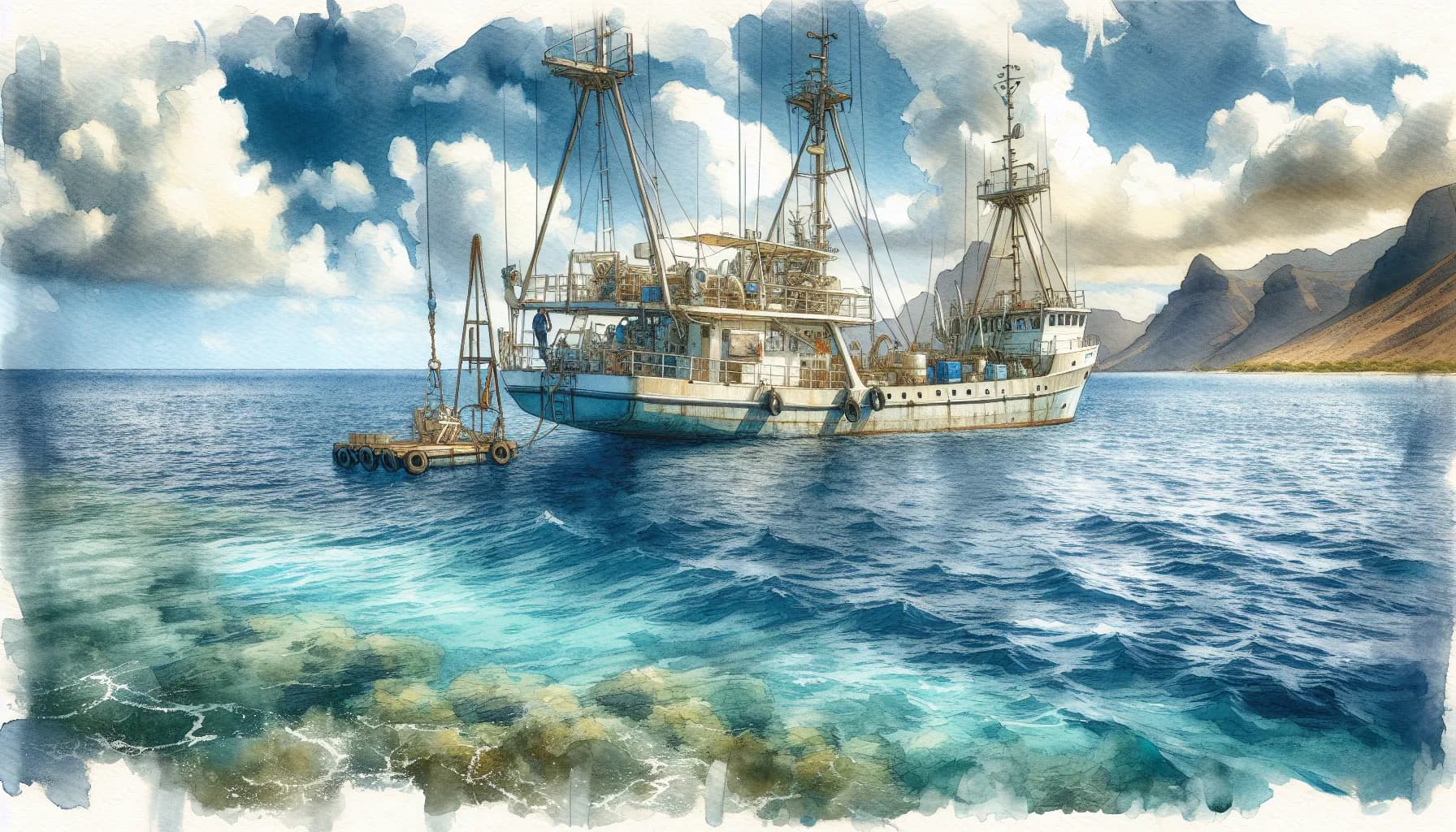
Alpine Watershed Protection
Alpine glaciers are melting. GEOMAR scientists map the journey from mountaintop to seagrass meadow, tracking microplastics across Europe's watersheds.
Klimahelden
Felix Finkbeiner was nine when he challenged the UN to plant a trillion trees. Today 12,000 youth climate ambassadors have planted 800,000 trees.
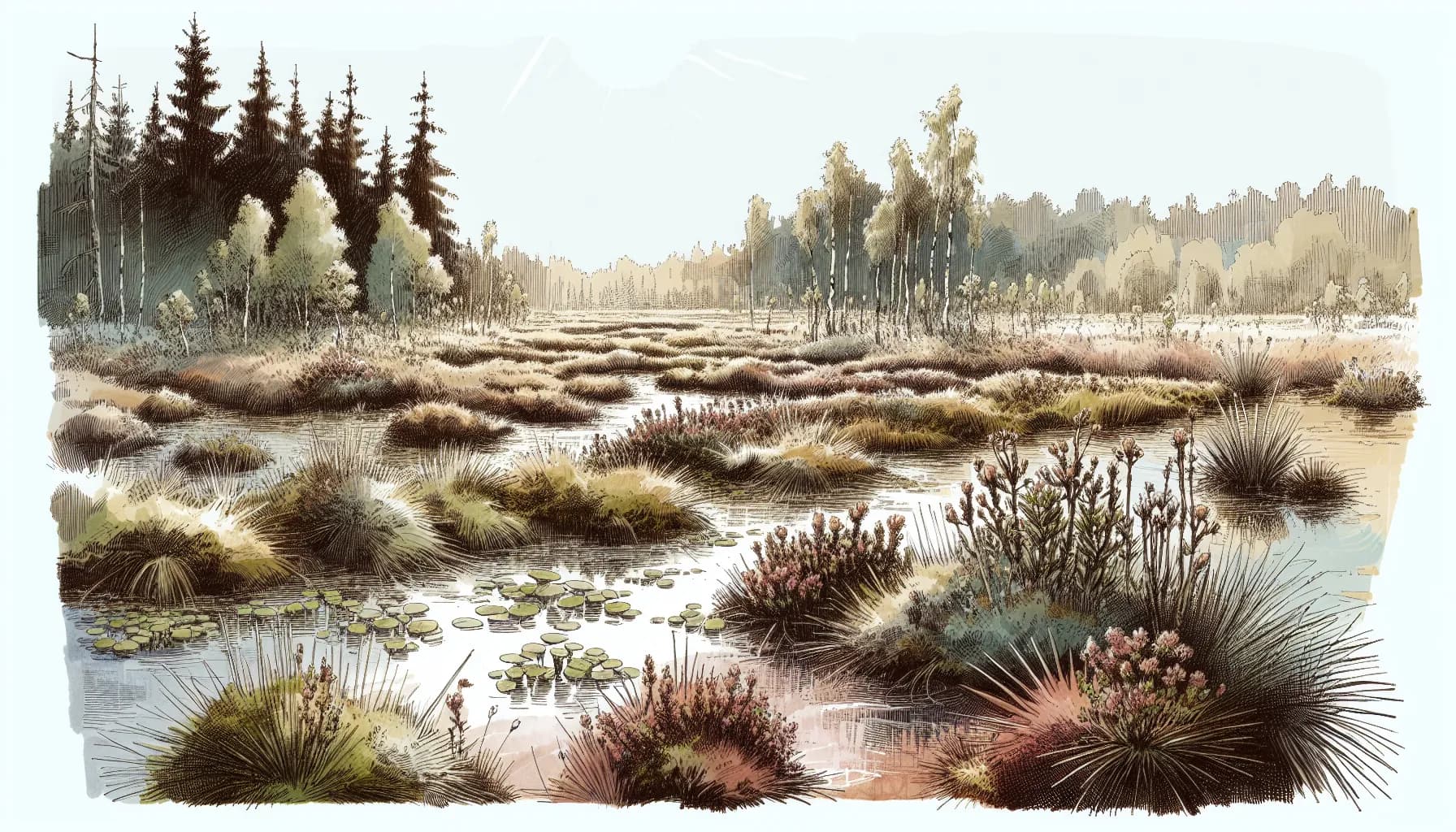
Moorschutz
Germany's peatlands emit 53 million tonnes a year. At Gnarrenburg, rewetting is turning degradation into carbon storage.
Your vote keeps this watershed clean.