Dìbò fún Ipa
Ìdìbò rẹ máa darí owó gidi sí àwọn iṣẹ́ àyíká tí a ti ṣàyẹ̀wò. Ìdìbò kan fún àkókò ìpèsè owó kọ̀ọ̀kan.
How this works
You vote → advertisers and CSR partners fund the pool → the project with the most votes gets the biggest share. Each voter you bring grows the pool, and tilts the share toward your project.
[EN] Your vote is proof-logged →
Ìwọ dìbò; àwọn alápolówó ń ṣe ìgbéowósílẹ̀ fún iṣẹ́ náà.
Sign up free to cast your vote.
Your vote decides which project gets funded this month.
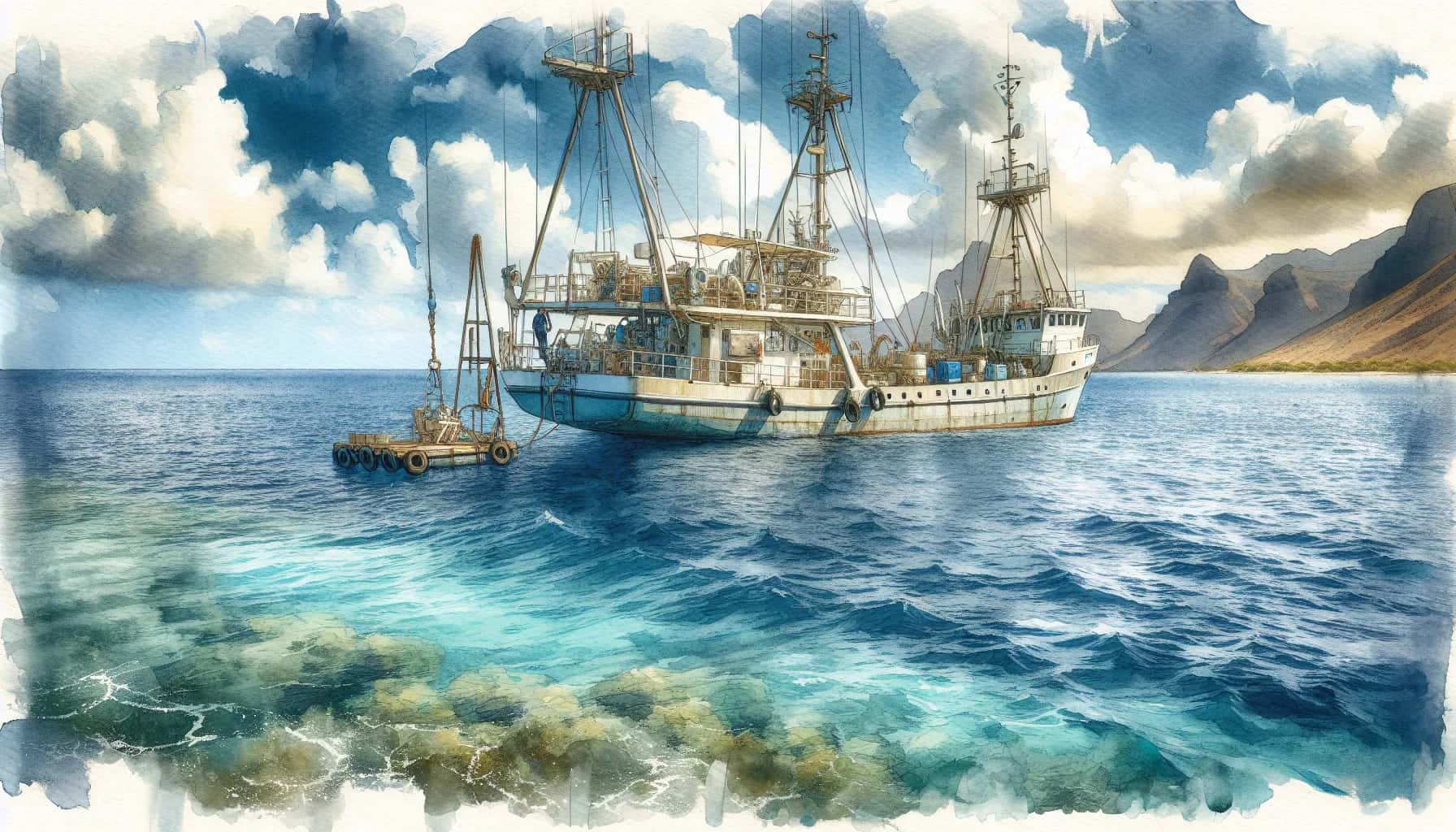
Alpine Watershed Protection
Alpine glaciers are melting. GEOMAR scientists map the journey from mountaintop to seagrass meadow, tracking microplastics across Europe's watersheds.
Kà síiÌdìbò rẹ máa darí ~€11 sí iṣẹ́ yìí
Amazon Canopy Restoration
Restore 10,000 hectares of degraded Amazon rainforest through native species replanting and community-managed agroforestry. Partners with local indigenous communities for long-term stewardship.
Ìdìbò rẹ máa darí ~€11 sí iṣẹ́ yìí

Baltic Fish & Habitat Recovery
Pristine Alpine glaciers hide a secret: 20 tonnes of microplastics embedded in ancient ice, now washing into rivers that supply millions.
Kà síiÌdìbò rẹ máa darí ~€11 sí iṣẹ́ yìí
Bengal Delta Clean Water
Deploy arsenic-removal filtration systems and rainwater harvesting infrastructure across 200 villages in the Ganges-Brahmaputra delta.
Ìdìbò rẹ máa darí ~€11 sí iṣẹ́ yìí
Borneo Orangutan Corridor
Create wildlife corridors connecting fragmented orangutan habitats in Borneo. Includes reforestation of degraded palm oil plantations and community ranger programmes.
Ìdìbò rẹ máa darí ~€11 sí iṣẹ́ yìí
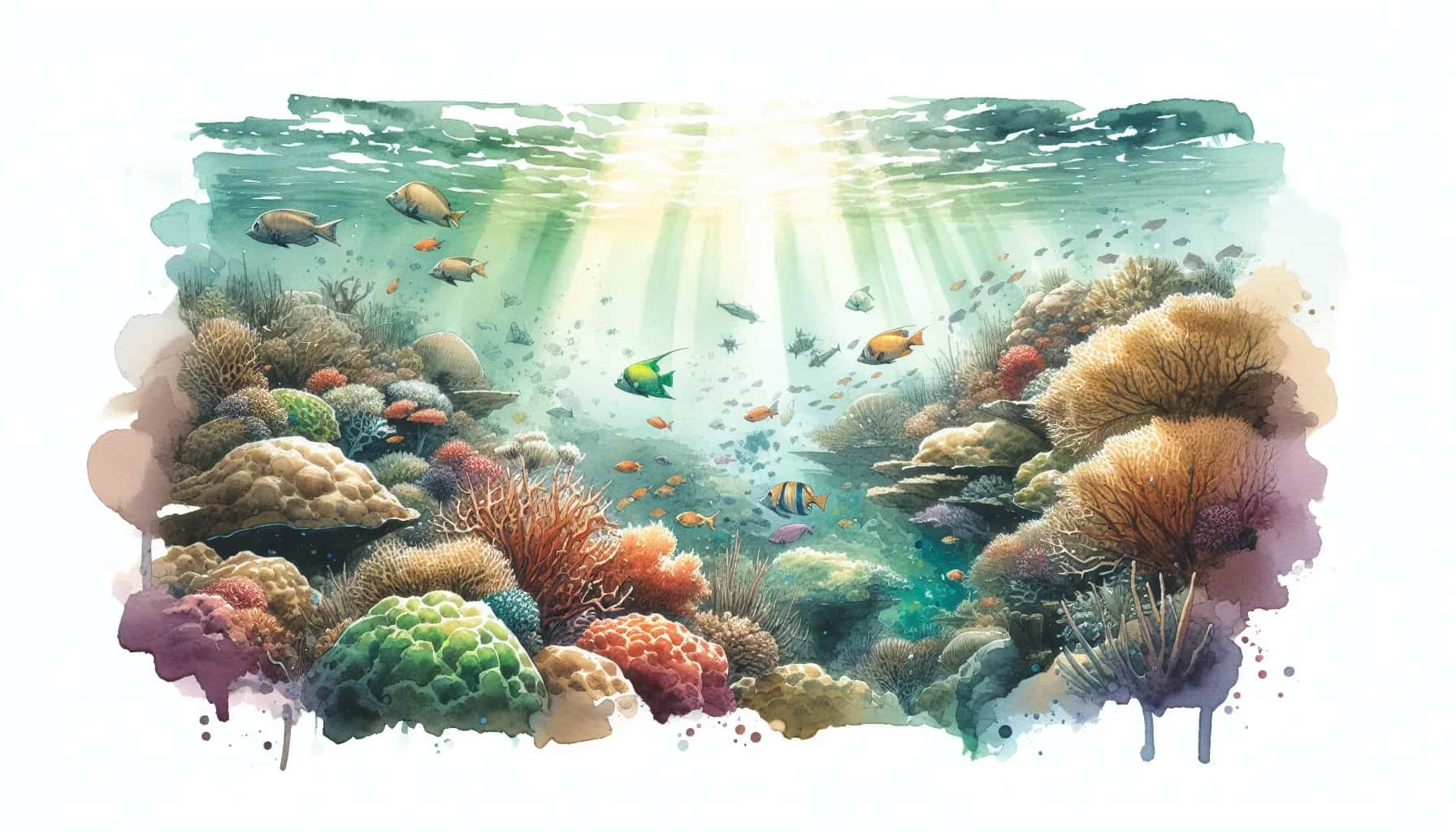
Bring Papa Home
When Ramon was young, dynamite fishing decimated reefs. PRRCFI taught him to count fish and protect seagrass. His grandchildren will inherit coral forests.
Kà síiÌdìbò rẹ máa darí ~€11 sí iṣẹ́ yìí
Clean Cookstove & Air Quality
Indoor air pollution kills 1.6 million Indians a year. EKI's improved cookstoves cut smoke by 80% and save families ₹450 a month.
Kà síiÌdìbò rẹ máa darí ~€11 sí iṣẹ́ yìí
Clean Rivers, Healthy Villages
The Ganga carries the hopes of 400 million people — and their sewage. Namami Gange is India's largest river cleanup, village by village.
Kà síiÌdìbò rẹ máa darí ~€11 sí iṣẹ́ yìí

Clean Water, Bright Minds
In Benguet's remote schools, children fetched water from risky sources. Now an AquaTower delivers clean water every hour, protecting students like Mira.
Kà síiÌdìbò rẹ máa darí ~€11 sí iṣẹ́ yìí
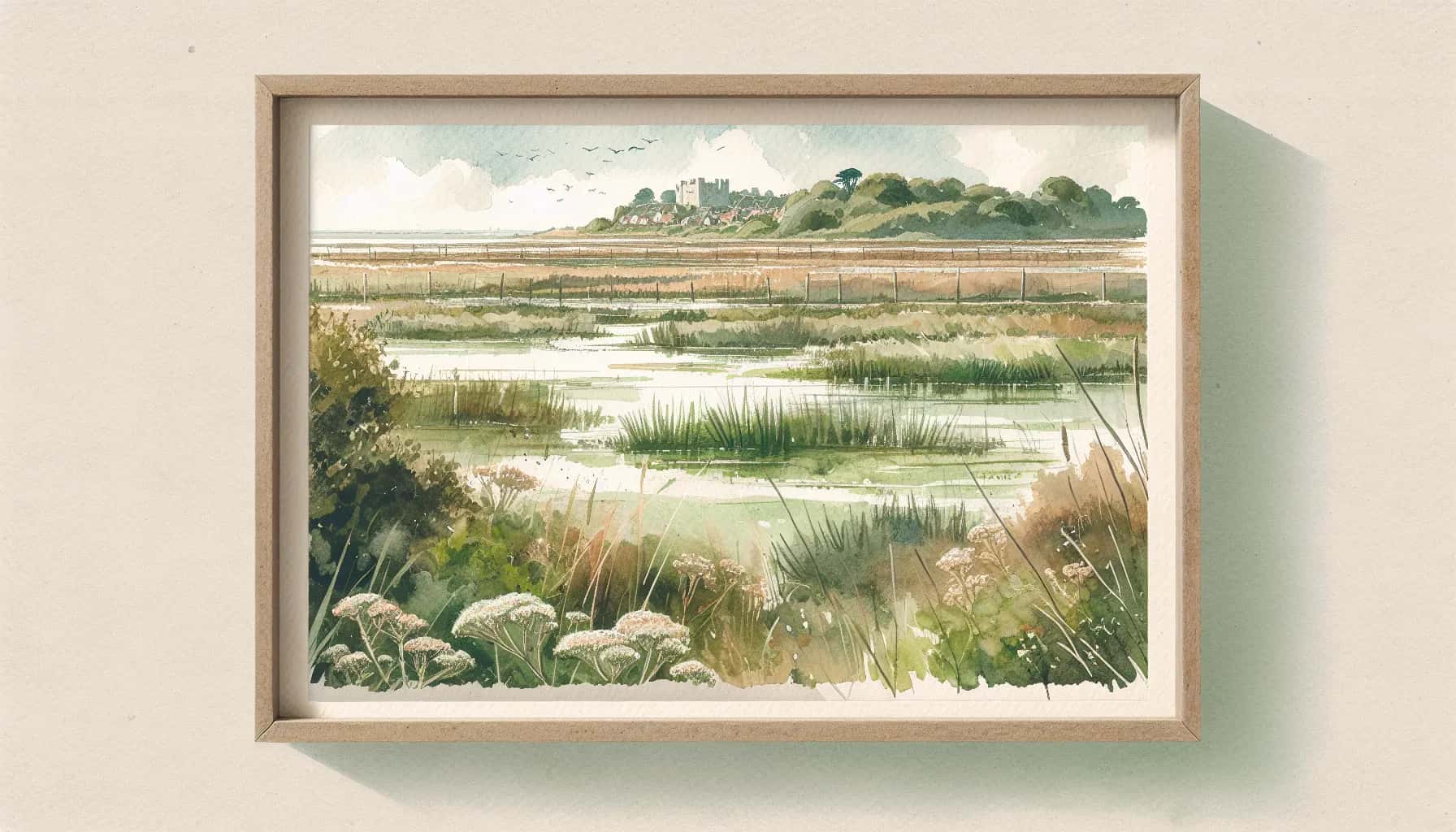
Coastal Saltmarsh Revival
From farmland to bird sanctuary: one breached sea wall became nature's fortress. 87 hectares of saltmarsh protecting Essex's coast from within.
Kà síiÌdìbò rẹ máa darí ~€11 sí iṣẹ́ yìí
Eco-Pioneers
Lagos generates 10,000 tonnes of plastic waste daily. Youth are turning mountains of trash into roof tiles, into footwear, into enterprise.
Kà síiÌdìbò rẹ máa darí ~€11 sí iṣẹ́ yìí
Fisher Futures
Vaan Island was disappearing. UNDP deployed 6,000 artificial reef modules — underwater cities for fish to colonise. In seven years, the island gained back more.
Kà síiÌdìbò rẹ máa darí ~€11 sí iṣẹ́ yìí
Ganges Industrial Filtration
Install industrial wastewater treatment systems at 30 tanneries and textile factories along the Ganges, reducing toxic discharge by an estimated 60%.
Ìdìbò rẹ máa darí ~€11 sí iṣẹ́ yìí
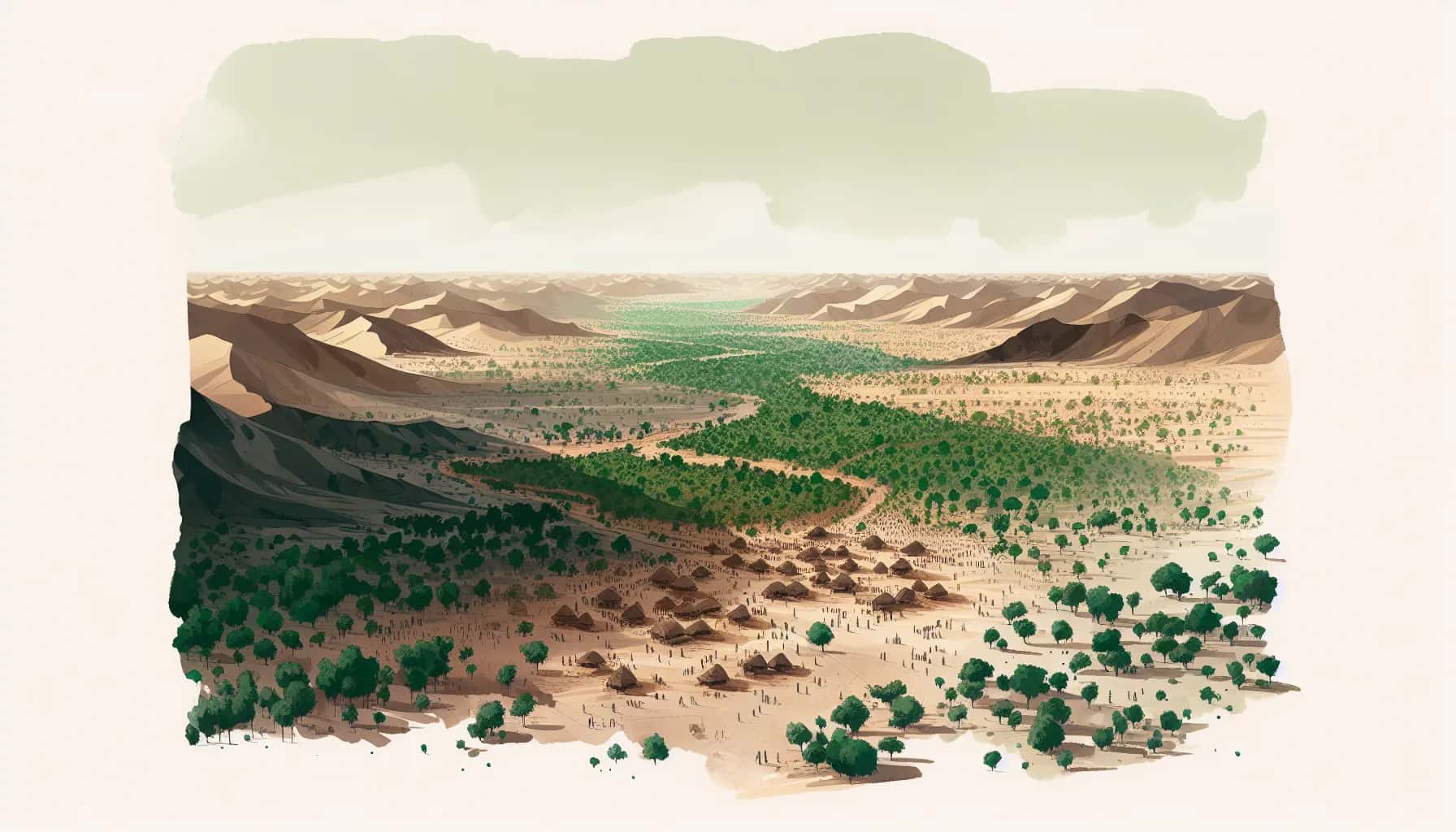
Great Green Wall
The Sahara crept south for decades. The Great Green Wall is Africa's answer: a 1,359-km shelterbelt planted by communities reclaiming their soil.
Kà síiÌdìbò rẹ máa darí ~€11 sí iṣẹ́ yìí
Green Champions
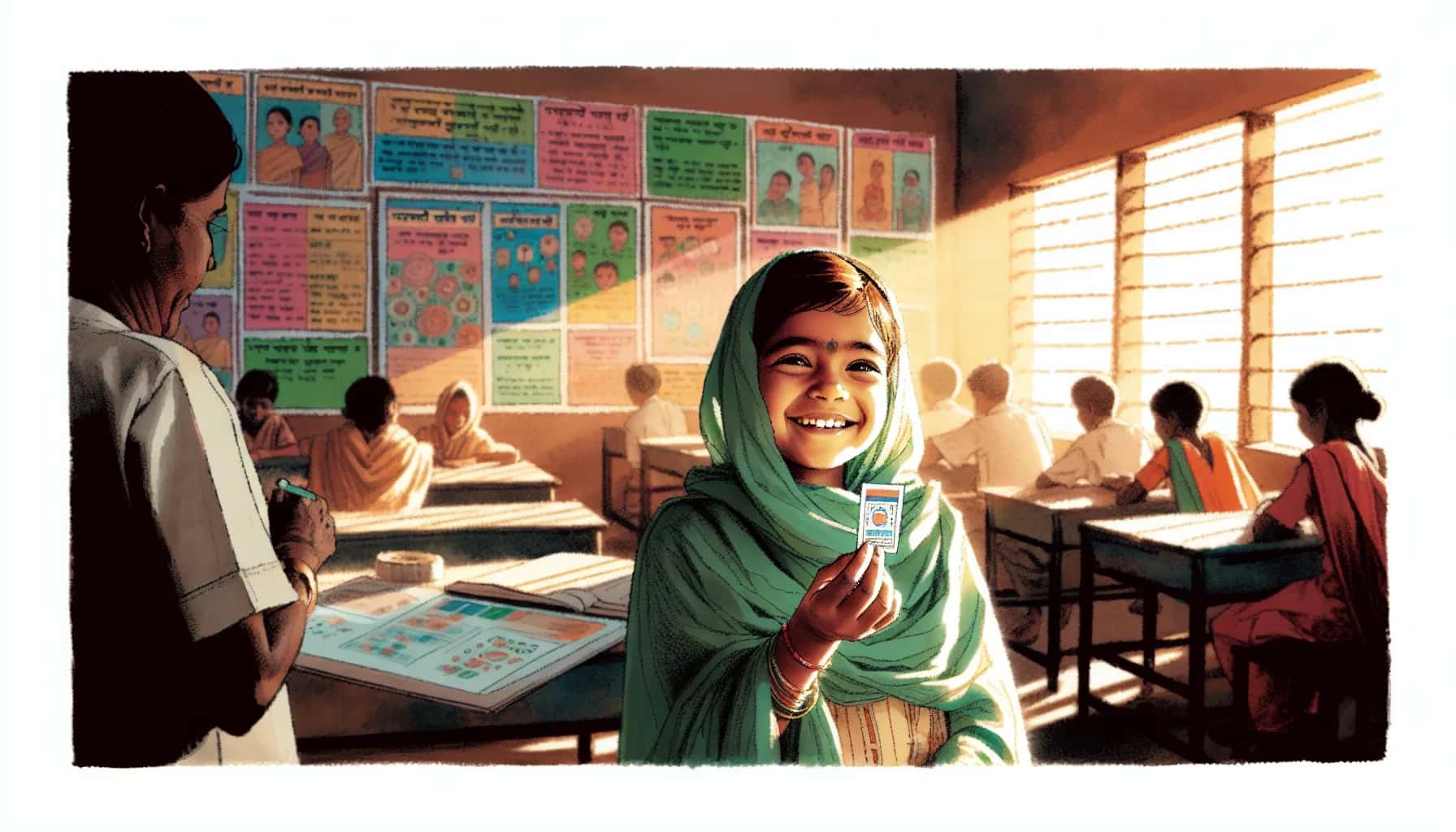
In 519 districts, school children run their own environmental missions. A Green Corps eco-club in rural Rajasthan built a rainwater harvesting system.
Kà síiÌdìbò rẹ máa darí ~€11 sí iṣẹ́ yìí
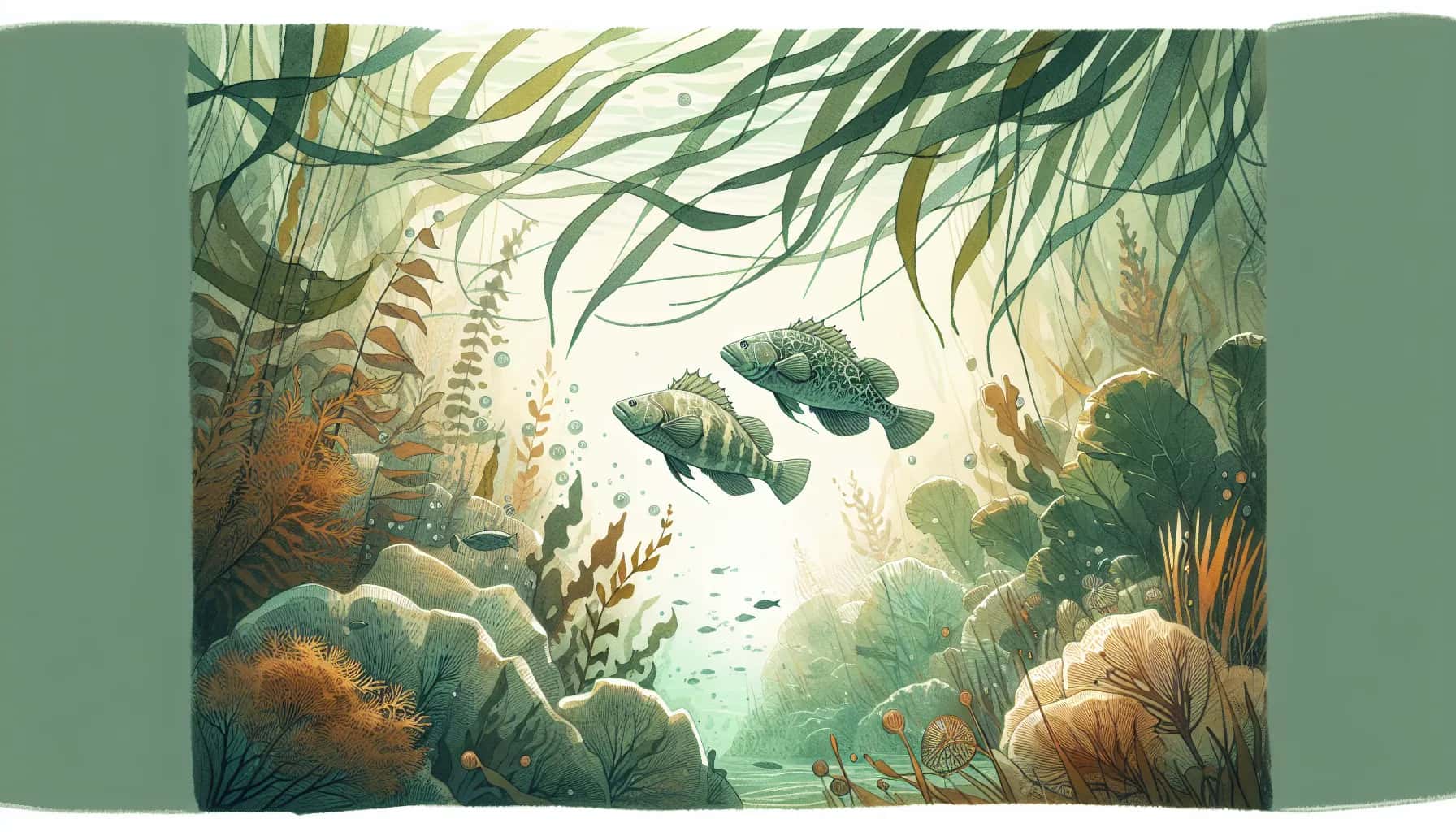
Kelp Forest & Seagrass
UK's biggest underwater rewilding: 300 square kilometres of Sussex seabed protected from trawlers. Kelp forests that once fed fisheries are returning.
Kà síiÌdìbò rẹ máa darí ~€11 sí iṣẹ́ yìí
Kenyan Regenerative Farming
Train 5,000 smallholder farmers in regenerative agriculture techniques that improve soil health, increase yields, and sequester carbon.
Ìdìbò rẹ máa darí ~€11 sí iṣẹ́ yìí
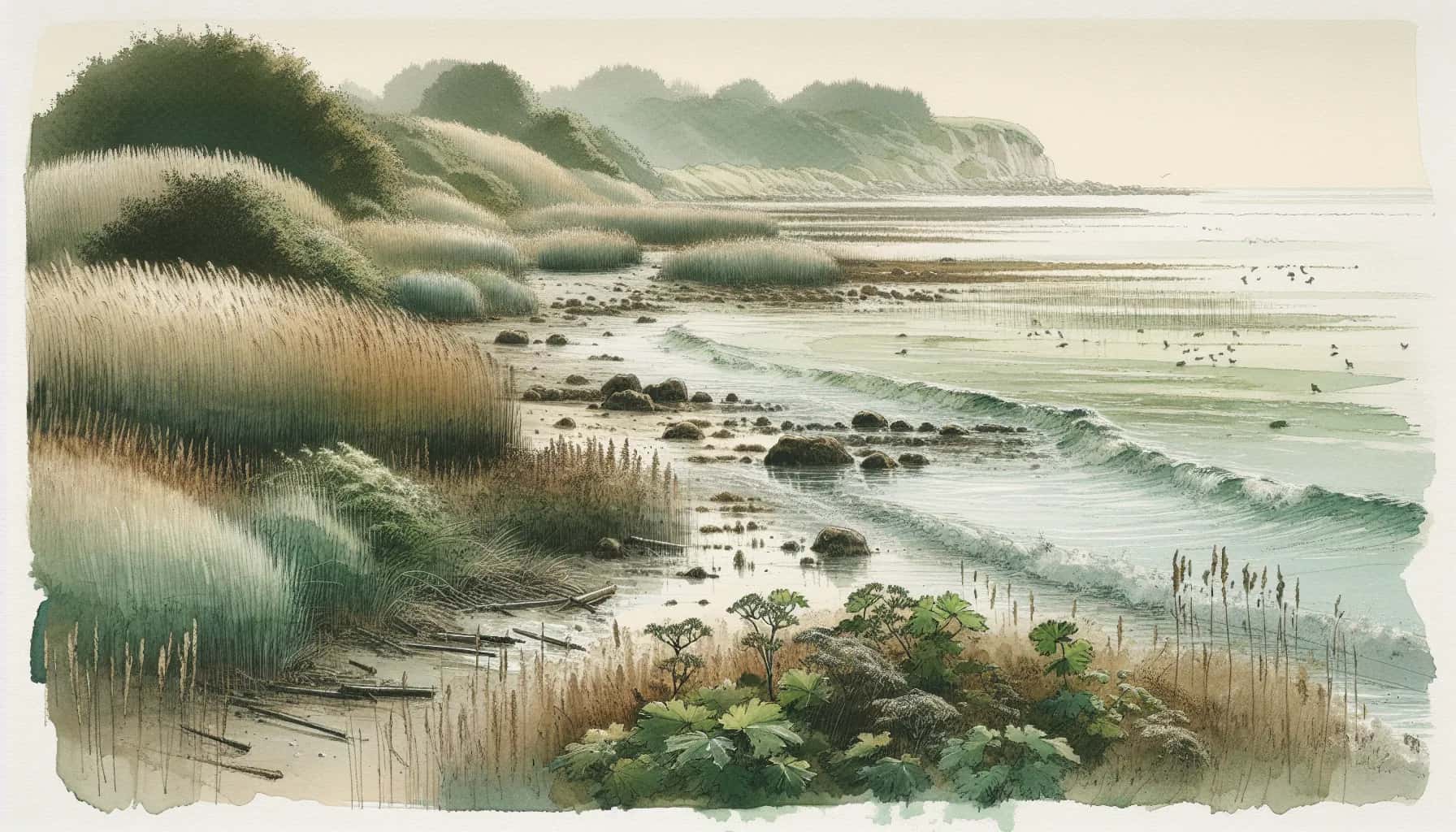
Klimahelden
Felix Finkbeiner was nine when he challenged the UN to plant a trillion trees. Today 12,000 youth climate ambassadors have planted 800,000 trees.
Kà síiÌdìbò rẹ máa darí ~€11 sí iṣẹ́ yìí
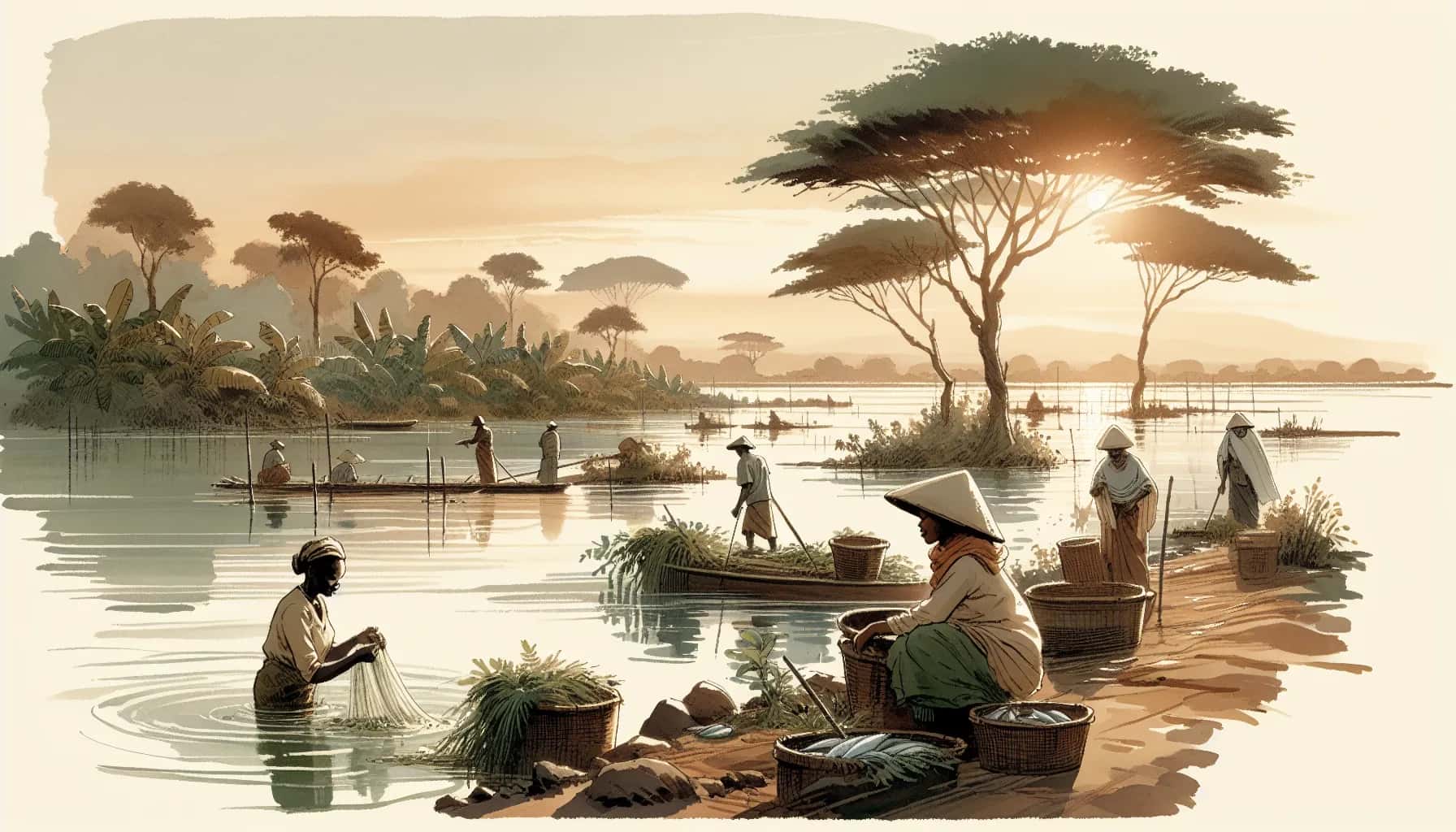
Lake Chad Livelihoods
Lake Chad shrank 90% in sixty years. FAO's aquaculture initiative: catfish in fiberglass tanks, vegetable gardens from wastewater.
Kà síiÌdìbò rẹ máa darí ~€11 sí iṣẹ́ yìí
Lider ng Bukas
Krissy, 16, pitched a solar energy project to her YES-O club. It failed. She rebuilt it. Now her SolaRise design is replicating in 20 rural schools.
Kà síiÌdìbò rẹ máa darí ~€11 sí iṣẹ́ yìí
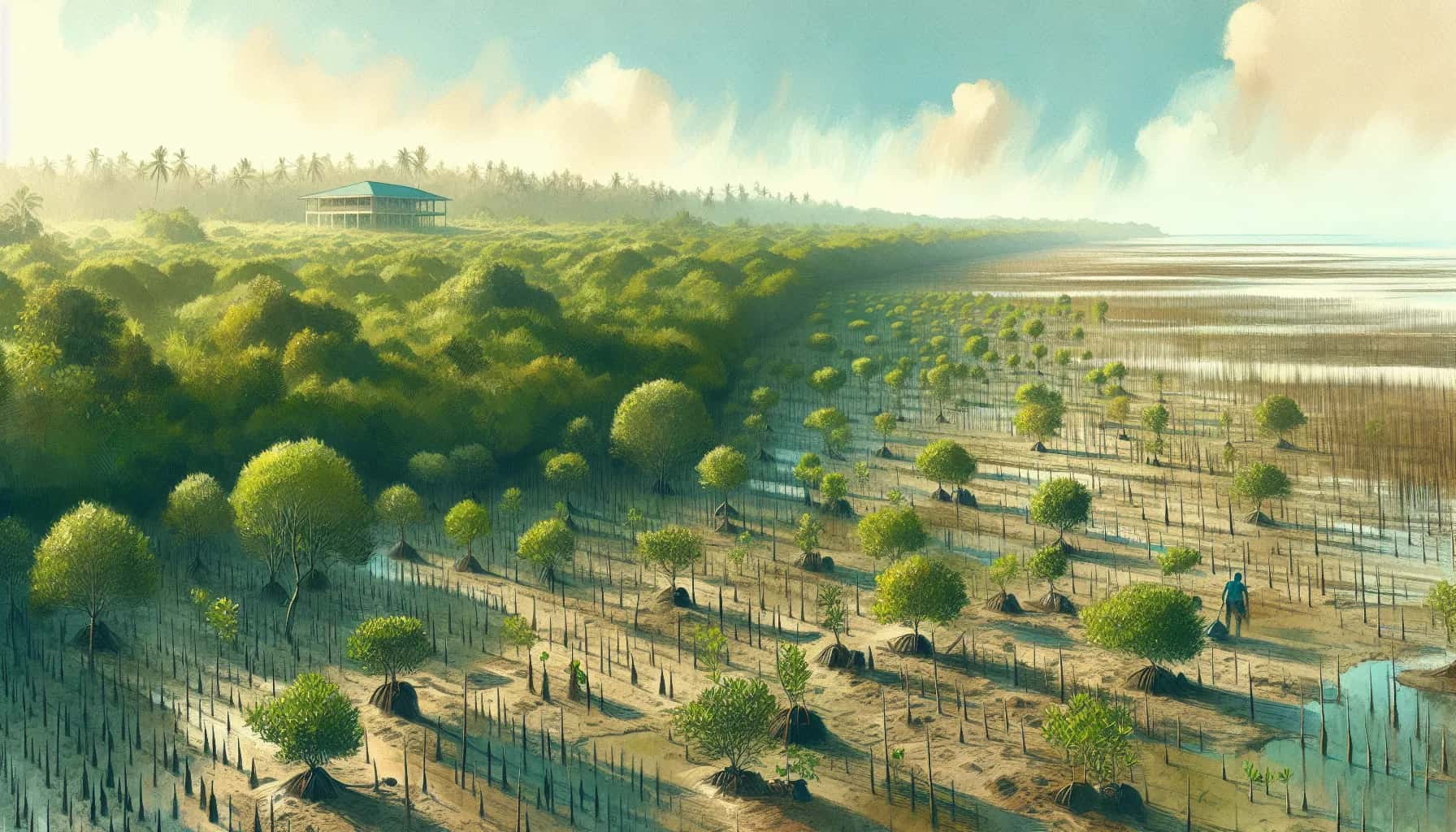
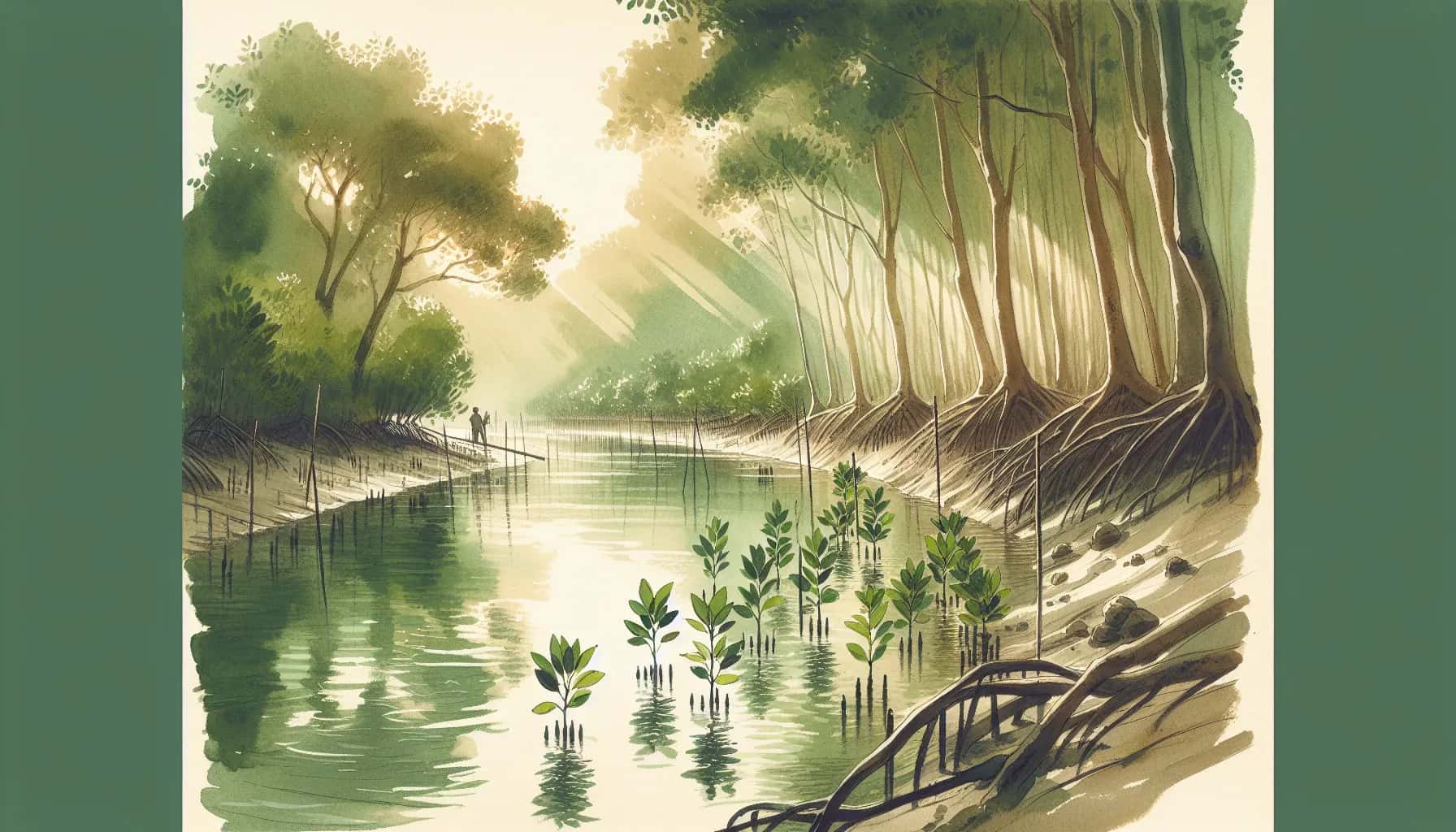
Mangrove Belt Revival
The Niger Delta's mangroves were sacrificed to oil. Now First Climate is replanting at industrial scale — a million seedlings a year, community by community.
Kà síiÌdìbò rẹ máa darí ~€11 sí iṣẹ́ yìí
Mangrove Shields
After Typhoon Hainan devastated Tacloban, a fishing village transformed an abandoned fishpond into a living wall of mangroves. Trees now shelter fish nurseries.
Kà síiÌdìbò rẹ máa darí ~€11 sí iṣẹ́ yìí
Mediterranean Seagrass Revival
Restore Posidonia oceanica seagrass meadows along the Mediterranean coast. Seagrass captures carbon 35x faster than tropical rainforests per unit area.
Ìdìbò rẹ máa darí ~€11 sí iṣẹ́ yìí
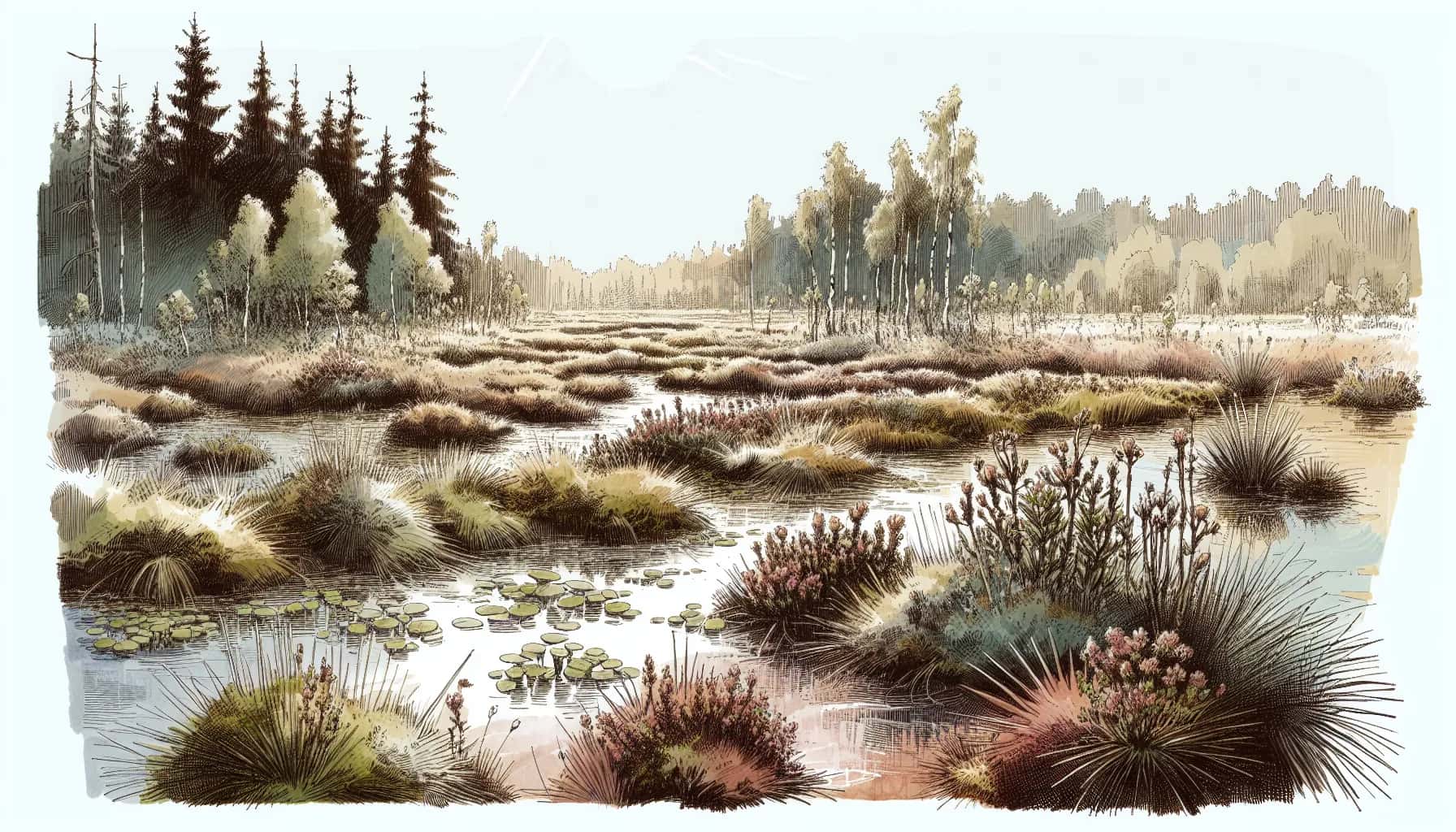
Moorschutz
Germany's peatlands emit 53 million tonnes a year. At Gnarrenburg, rewetting is turning degradation into carbon storage.
Kà síiÌdìbò rẹ máa darí ~€11 sí iṣẹ́ yìí

Nature Champions
In schools where kids have never seen a wild river, Action for Conservation grows the next generation of nature defenders.
Kà síiÌdìbò rẹ máa darí ~€11 sí iṣẹ́ yìí
North Sea & Baltic Coastal Rewilding
The Wadden Sea's salt marshes are disappearing. NABU's WATTRenature programme is rebuilding them, hectare by hectare.
Kà síiÌdìbò rẹ máa darí ~€11 sí iṣẹ́ yìí
Pacific Garbage Patch Cleanup
Deploy autonomous collection systems to remove plastic debris from the Great Pacific Garbage Patch. Collected material is recycled into construction-grade lumber.
Ìdìbò rẹ máa darí ~€11 sí iṣẹ́ yìí
Peatland & Upland Restoration
Wales' first peatland rescue: 66 hectares of degraded bog restored to a carbon fortress.
Kà síiÌdìbò rẹ máa darí ~€11 sí iṣẹ́ yìí
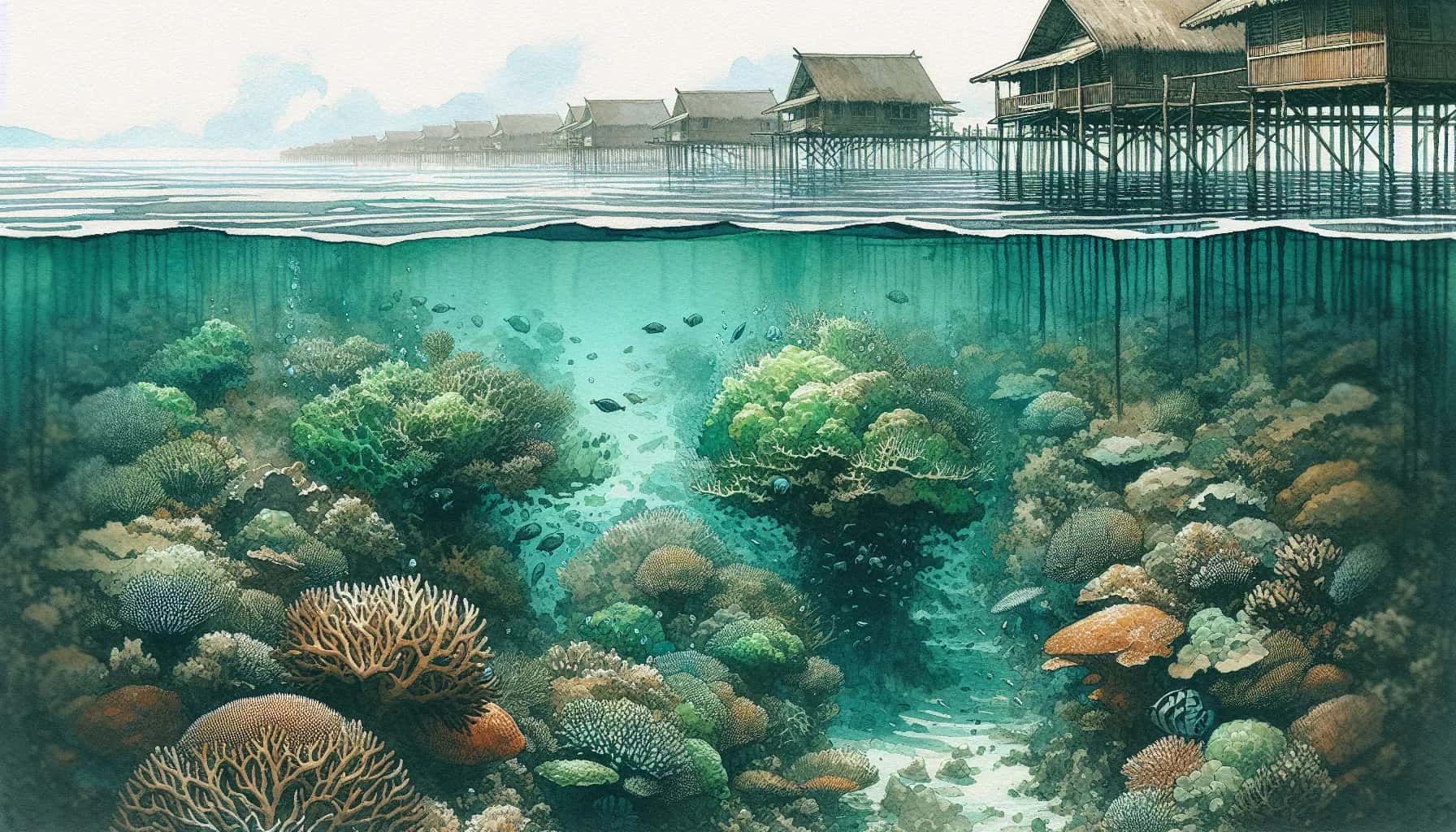
Peatland & Watershed
Tañon Strait is where forest meets ocean. When upland forests were logged, the strait silted. Now a coalition is restoring highland forests and coastal mangroves.
Kà síiÌdìbò rẹ máa darí ~€11 sí iṣẹ́ yìí

River Restoration
From muddy agricultural runoff to gin-clear waters: six years of rewilding one of Britain's rarest habitats — a chalk stream.
Kà síiÌdìbò rẹ máa darí ~€11 sí iṣẹ́ yìí
Safe Water, Strong Communities
In Enugu's villages, girls still walk miles for water. Each WaterAid borehole is more than a tap — it's a girl reclaiming school days.
Kà síiÌdìbò rẹ máa darí ~€11 sí iṣẹ́ yìí
Sahel Solar Microgrids
Install solar microgrids across 50 villages in the Sahel region, replacing diesel generators and providing reliable electricity for schools, clinics, and small businesses.
Ìdìbò rẹ máa darí ~€11 sí iṣẹ́ yìí
Sundarbans Shield
The Sundarbans is the world's largest mangrove forest — and it's drowning. Rising seas threaten 4.5 million people. Livelihoods Fund has planted 16 million mangroves.
Kà síiÌdìbò rẹ máa darí ~€11 sí iṣẹ́ yìí
The vote page lets registered GreenSweep users direct environmental project funding by casting a vote once per allocation cycle. Each vote allocates a share of GreenSweep's project-funding commitment to the chosen project. Users who opt into the Tier 2 data-sharing programme receive a 2× vote weight, meaning their project preference carries twice the influence in the proportional funding calculation. Votes are tallied at the end of each monthly allocation period; funding is distributed proportionally based on total community votes, not as individual direct donations. There is no financial transaction involved — voting is free and requires no payment method. To cast a vote, users must be registered and logged in. Accounts found to be using automation or multiple registrations are disqualified and their allocation is removed from the funding cycle. Registration takes under two minutes via email, WhatsApp, Facebook, TikTok, or Telegram.
Frequently asked questions
Do I need an account to vote?
▾
Yes. Voting requires a registered GreenSweep account. Registration is free and takes under two minutes via email, WhatsApp, Facebook, TikTok, or Telegram.
How does my vote affect funding for projects?
▾
Each vote cast during the active allocation period counts toward the proportional funding split. At the end of the period, GreenSweep distributes its project-funding pool across all active projects in proportion to their vote totals — a project that receives 20% of all votes in a cycle receives 20% of the funds available that cycle. GreenSweep is a for-profit company, not a charity, and commits at least 50% of profits — a binding public commitment of GreenSweep Pte. Ltd. that is intended to increase over time and never decrease. Even at that floor, overall project efficiency reaches 85–96% when corporate sustainability capital and matched funding — which flow 100% to projects — are included in the calculation.
How do I know my vote was recorded?
▾
After you cast a vote, a confirmation message appears on screen. Your vote is also visible in your account history under “My votes.”
Can I change my vote?
▾
Votes can be changed until the current allocation period closes. Return to this page, select a different project, and confirm. Only your most recent vote in each period counts.
What is the Tier 2 research panel?
▾
The Tier 2 programme (“Amplify my impact”) is an optional research panel for users who want to contribute anonymised demographic data — age range, household size, market, environmental interest category — to environmental research partners. Revenue generated through these partnerships is directed to environmental projects via GreenSweep’s funding commitment. Tier 2 panel members participate with a 2× vote weight, reflecting the deeper signal their profile provides to the allocation model. Participation is entirely voluntary and independent of your access to any platform feature. Your name, email, and individual voting history are never shared with partners. You can withdraw from the panel at any time in account settings without any effect on your ability to vote or use GreenSweep.
How long does each allocation period last?
▾
Allocation periods run monthly. The current period’s closing date is shown at the top of the vote page.
Sources
- 1.GovernmentGreenSweep Transparency Reports — monthly disbursements
- 2.GovernmentMalta Purpose Foundation Act — Chapter 16, Laws of Malta
- 3.IndustryVerra VCS Project Registry
- 4.IndustryGold Standard Impact Registry
- 5.GovernmentGDPR Article 7 — Conditions for consent